A dyno graph can look perfect right up until the engine comes apart. That is why the question, do stock rods bend, matters far more than a peak-horsepower number. Connecting rods do not usually fail because a car made one exciting pull. They fail when cylinder pressure, torque, tuning, fuel quality, and engine speed combine to exceed the safety margin built into the factory rod.
For a lightly modified street car, factory rods can be remarkably capable. For a high-boost MQB build, an RS3/TTRS 2.5TFSI, or an S58 headed toward serious torque, “stock rods are fine” is not a build plan. The real question is whether they are fine for your engine, fuel, calibration, intended use, and margin for error.
Do Stock Rods Bend Under Boost?
Yes, stock connecting rods can bend under boost, but boost itself is not the direct cause. The rod bends when combustion pressure pushes down on the piston with more force than the rod can handle in compression. More boost often creates more cylinder pressure, which is why boosted engines are the usual focus of this conversation.
A bent rod is commonly the result of excessive low-rpm torque, detonation, pre-ignition, an overly aggressive ignition or boost strategy, or a fueling problem. Hydrolock can bend a rod as well. Unlike a combustion-related failure, hydrolock occurs when liquid enters a cylinder and the piston tries to compress something that will not compress, such as water or an excessive amount of fuel.
The important distinction is this: horsepower does not load a rod the way torque and cylinder pressure do. A setup that makes a large horsepower number at high rpm may be easier on rods than a tune that delivers a huge torque hit at 3,000 rpm. That is why two cars with similar dyno figures can have very different rod survival rates.
Why Factory Rods Have a Limit
OEM connecting rods are engineered for the vehicle’s original power target, emissions requirements, service life, cold starts, fuel quality variation, and cost. They are not automatically weak. In many modern European turbo engines, factory rods are forged and capable of supporting power well beyond stock.
Still, an OEM rod is part of a complete factory system. The stock turbo, factory boost control, conservative ignition timing, torque management, and calibrated fueling all help keep cylinder pressure within a predictable range. Once those controls are recalibrated and airflow is increased, the original design margin becomes smaller.
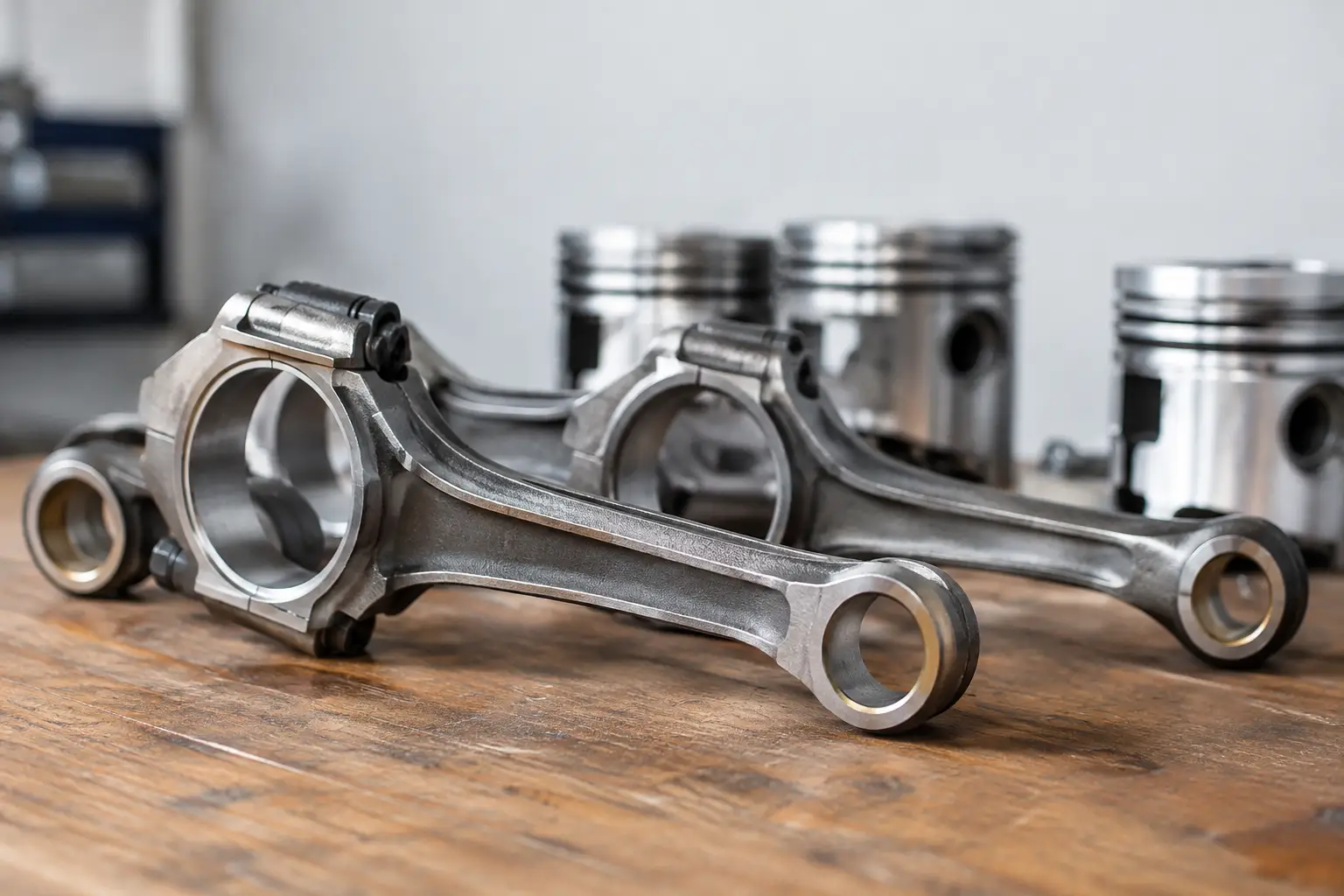
Rod design matters as much as material. Beam shape, cross-section, rod length, fastener quality, small-end construction, and the relationship between piston speed and engine speed all affect durability. A rod that survives repeated full-throttle pulls on ethanol at one torque level may not tolerate a poor tank of pump fuel, a hot intake charge, or a sudden torque spike at a slightly higher setting.
This is why generic claims such as “stock rods hold 600 horsepower” should be treated carefully. That number may describe a specific engine, fuel, turbocharger, calibration, and dyno type. It does not guarantee the same outcome on another platform.
The Conditions Most Likely to Bend a Rod
The highest-risk scenario is usually high cylinder pressure at low engine speed. At low rpm, the piston changes direction more slowly and the engine has more time to develop pressure near the point where the rod is heavily loaded. A large turbo that comes in aggressively, a torque-heavy calibration, and full throttle in a tall gear can create a punishing event.
Detonation and pre-ignition raise the risk dramatically. Normal combustion pushes the piston down in a controlled manner after ignition. Detonation creates abnormal pressure waves in the cylinder. Pre-ignition is even more destructive because combustion starts too early, potentially forcing against a piston that is still traveling upward. Neither condition needs to happen repeatedly to cause expensive damage.
Fueling is another major factor. A direct-injection engine operating near the fuel system’s capacity can go lean when demand rises. Low-pressure fuel supply issues, a weak high-pressure pump, injector limitations, poor ethanol-content verification, or a calibration that assumes more fuel than is actually present can all turn a capable stock-bottom-end setup into a risky one.
Heat compounds the problem. High intake air temperature reduces knock resistance, while elevated coolant and oil temperatures reduce consistency during repeated pulls or track use. A tune that behaves on a cool street pull may need more conservative targets during a summer track session.
Bent Rod Symptoms Are Not Always Obvious
A severely bent rod can produce an immediate misfire, smoke, low compression, loud mechanical noise, or a no-start condition. But not every bent rod creates instant drama. A slightly bent rod may leave the engine running, especially at idle, while causing reduced compression in one cylinder and an imbalance that becomes clearer under load.
Common signs include an unexplained misfire on one cylinder, uneven compression or leak-down results, oil consumption, crankcase pressure, smoke from the exhaust, and a sudden change in power delivery. In some cases, the piston sits slightly lower at top dead center because the rod has shortened. That can be confirmed during a proper teardown or with careful diagnostic inspection.
Do not assume every misfire on a modified turbo car means a bent rod. Spark plugs, coils, injectors, carbon buildup, boost leaks, fuel pressure faults, valve-train issues, and calibration errors are all more common explanations. But if an engine developed a persistent single-cylinder problem immediately after a high-load event, compression and leak-down testing should happen before more wide-open-throttle pulls.
How to Keep Stock Rods Alive Longer
A reliable stock-rod build starts with a conservative torque strategy. Avoid chasing the biggest possible midrange number just because the turbo can make it. A smoother torque curve usually puts less stress on rods, drivetrain components, and tires while making the car easier to drive quickly.
Fuel quality must match the calibration. If a tune is built around ethanol content, verify ethanol content. If it is built around premium pump fuel, do not treat every 93-octane label as identical under hot weather and heavy load. The safety margin matters more than the marketing number on the fuel pump.
Use a calibration that monitors and responds to real operating conditions. Knock control, fuel-pressure monitoring, intake-air-temperature compensation, boost-by-gear, and sensible torque limits are not restrictions to work around. They are the controls that help a fast street car stay together.
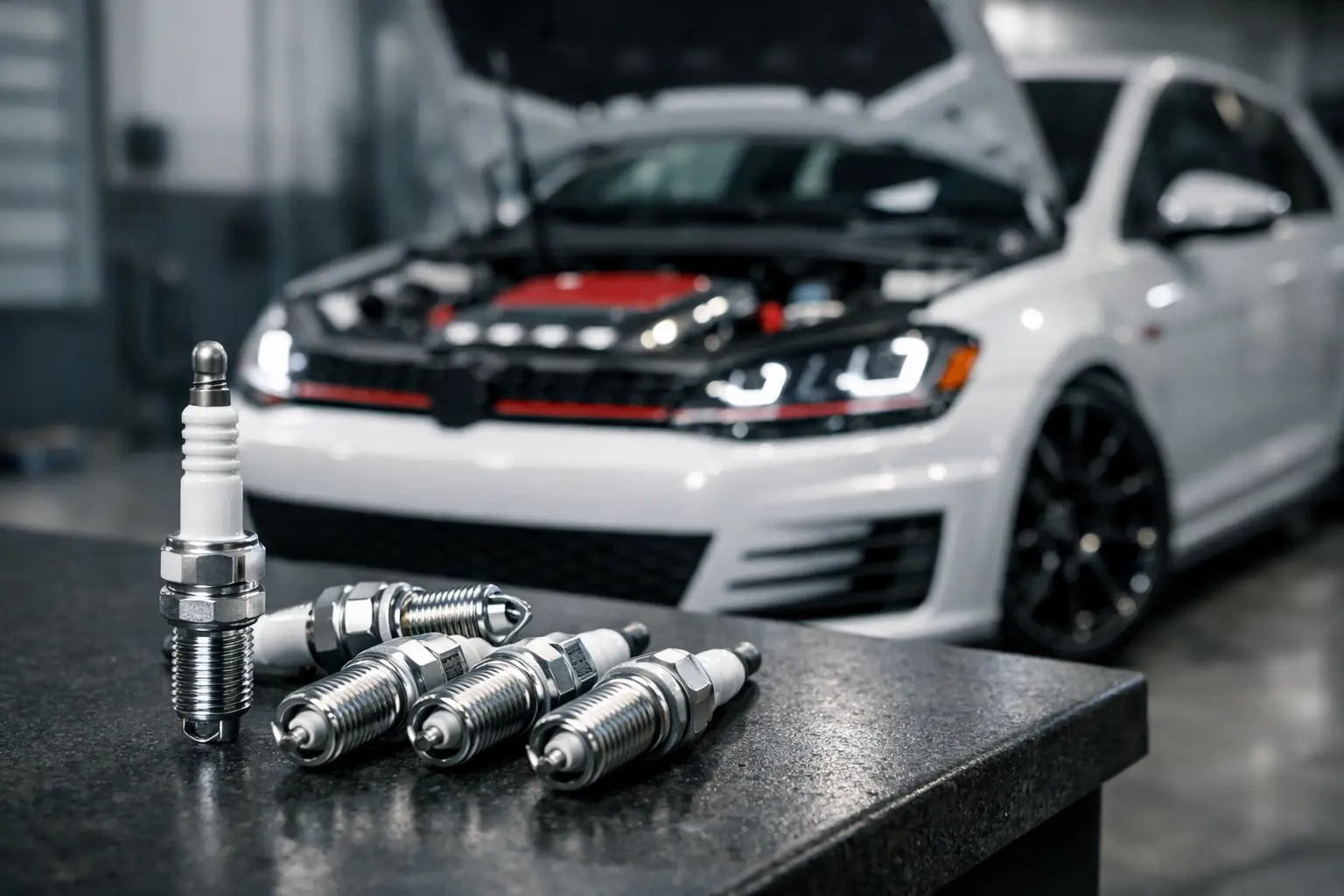
Supporting hardware also has a direct effect on rod safety. Adequate intercooling lowers charge temperatures. Fueling upgrades prevent pressure drop at high demand. A properly sized turbo avoids the need to run an inefficient compressor speed just to reach a number. Good plugs, healthy ignition components, fresh oil, and correct cooling capacity all help maintain stable combustion.
For track use, repeated roll racing, drag racing, or sustained high-speed operation, treat the engine differently than a weekend street build. Heat soak, repeated load, and limited cooldown time reduce the margin that may exist during a single dyno pull. Logging should be part of the maintenance routine, not something performed only after a problem appears.
When Forged Rods Are the Better Investment
Forged rods make sense when your power target exceeds the known comfort zone of your specific engine, when you want substantial low-end torque, or when the car will see frequent competition use. They are also worth considering when the engine is already apart for pistons, a damaged cylinder, or another major repair. Paying labor twice to reopen an engine is rarely the economical choice.
A built bottom end is not a license for careless tuning. Stronger rods improve the engine’s ability to handle compression loads, but pistons, ring lands, head gaskets, bearings, sleeves, fuel systems, transmissions, and cooling systems still have limits. The right build is balanced around the intended output rather than centered on one oversized component.
For many enthusiasts, the best decision is not immediately installing forged rods. It is setting an honest power target, selecting proven parts for the exact engine code, and choosing a calibration that prioritizes repeatable performance. EAS Store can help match supporting components to the platform and output level instead of leaving critical fitment and fueling decisions to guesswork.
Factory rods can deliver impressive results when the combination is sensible. Build around cylinder pressure, fuel quality, heat control, and the way the car will actually be used, and you will make a faster choice than simply chasing the largest number on the dyno.