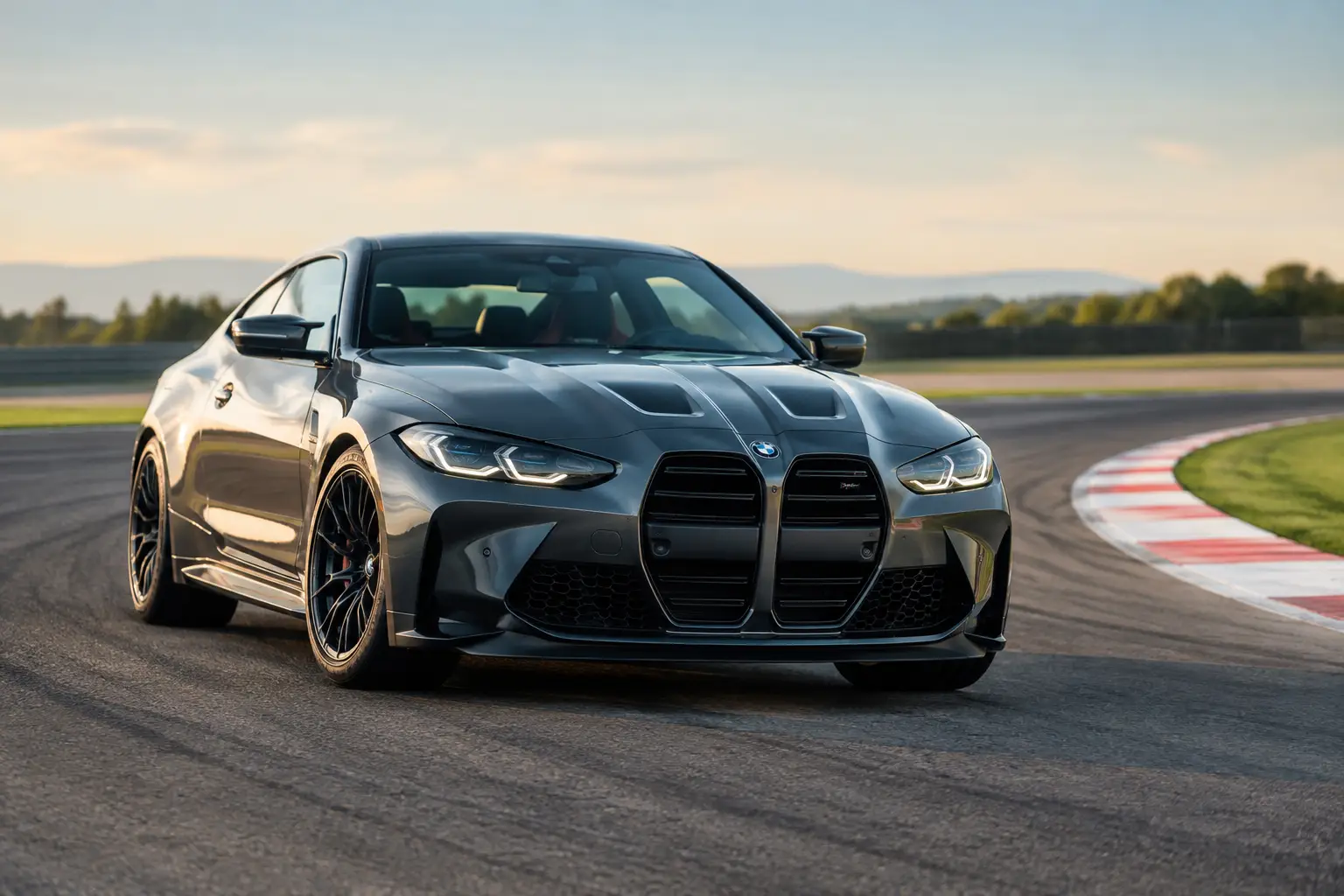
A BMW M4 road course build does not need more power to become dramatically faster. The G8X M4 arrives with serious S58 output, a capable chassis, and enough factory hardware to embarrass many dedicated track cars. But repeated hot laps expose the difference between a quick street coupe and a predictable, confidence-inspiring track tool.
The right upgrade path is not a random collection of expensive parts. It starts with the driver, the track, tire choice, and intended session length. A car used for occasional HPDE events needs a different balance than one chasing time attack results or running 20-minute sessions in summer heat. Build around consistency first. Peak dyno numbers can wait.
Start With the BMW M4 Road Course Baseline
Before installing parts, establish a baseline at a real event. Record lap times, tire pressures, brake pedal feel, coolant and oil temperatures, and driver notes after each session. A data logger helps, but clear feedback from the seat is equally valuable: Does the front end push on corner entry? Does the brake pedal get longer after four laps? Does the car lose rear traction as temperatures climb?
The factory G82 M4 and M4 Competition have a strong starting point, especially when equipped with performance-oriented tires and braking hardware. The chassis is stiff, the S58 responds well to calibration, and the active differential can put power down effectively. The trade-off is weight, heat, and a factory setup designed to work on public roads as well as a circuit.
That means the first road course upgrades should reduce variables. Tires, brakes, alignment, and fluid service produce more usable track performance than immediately adding another 100 horsepower. More output without the supporting hardware often creates a car that is faster only on the straight.
Tires Define the Car
Tires are the most consequential decision in any BMW M4 track setup. They determine braking distance, turn-in response, lateral grip, heat behavior, and how much abuse the rest of the chassis must absorb. A tire with aggressive street credentials may feel excellent for one fast lap but lose consistency during a full session.
For dual-duty cars, a 200-treadwear extreme-performance tire is usually the sensible starting point. It offers meaningful grip while retaining enough operating range for track days, canyon driving, and the trip home. Dedicated competition tires can provide a further step in pace, but they demand more temperature management, more disciplined pressure control, and a willingness to accept shorter life and reduced wet-weather safety.
Wheel fitment matters just as much as compound. A square configuration can improve front-end support and make tire rotations possible, while a staggered setup may preserve the M4’s familiar rear-biased character. There is no universal winner. Drivers fighting front-end understeer often benefit from more front tire, while high-power cars that struggle on corner exit may prioritize rear section width.
Start each session with a pressure target rather than guessing. Check pressures immediately after coming off track, then adjust cold pressure to reach the tire manufacturer’s recommended hot range. Uneven shoulder wear is not merely cosmetic. It is useful alignment feedback.
Brakes: Make Every Lap Repeatable
A fast M4 with an inconsistent brake pedal is not a fast track car. The stock system can perform well for novice and intermediate days, but high-speed tracks, advanced drivers, sticky tires, and hot ambient temperatures can rapidly exceed the limits of factory pads and fluid.
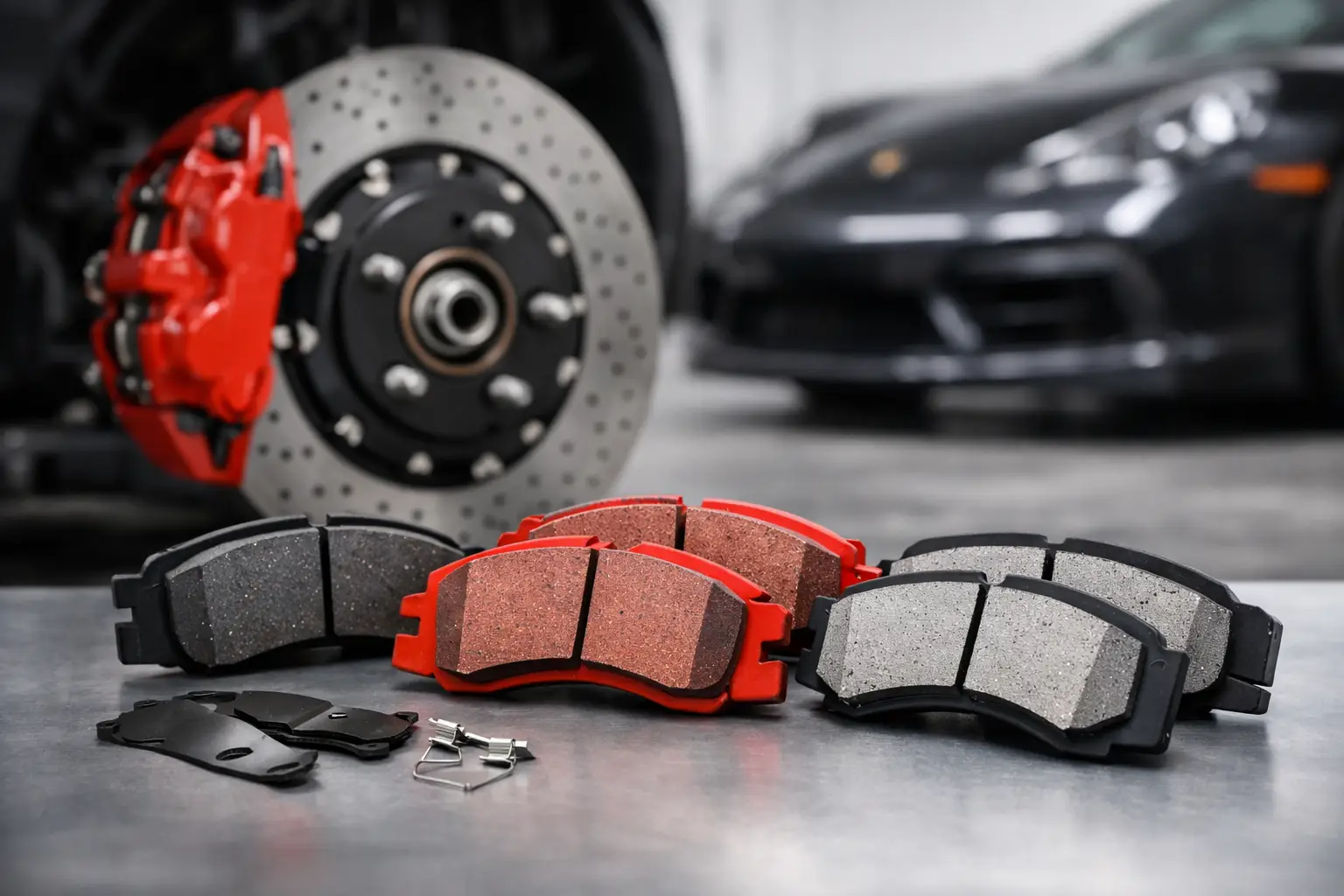
Track-oriented brake pads should be selected for the car’s actual use. A true motorsport compound offers stronger bite and better high-temperature stability, but it can be noisy, dusty, and harsh for commuting. A street-track pad is more civilized, yet may not survive repeated heavy braking at tracks with long straights and major braking zones. Pad selection is a heat-capacity decision, not a branding exercise.
High-temperature brake fluid is a foundational upgrade. Flush the system before track use, and inspect fluid condition regularly. If the pedal goes long during a session, do not assume the pads are the only issue. Fluid boil, pad fade, excessive rotor temperatures, and worn components can create similar symptoms.
For serious BMW M4 road course use, brake cooling deserves attention before jumping to an oversized brake kit. Purpose-built ducting can reduce rotor and pad temperatures, improve consumable life, and preserve pedal consistency. Larger calipers and rotors have a place, particularly on competition cars, but cooling and proper pad selection often solve the more immediate problem at a lower total cost.
Alignment Is Where Grip Becomes Usable
Factory alignment settings are a compromise for tire wear, highway stability, and everyday comfort. On track, that compromise usually leaves grip on the table. The outer shoulders of the front tires take substantial load, especially in a heavy, high-grip car like the M4.
Additional negative camber at the front is one of the most valuable chassis changes for road course driving. It helps the tire maintain a more effective contact patch in loaded corners, improves front-end bite, and reduces shoulder destruction. Camber plates are often the cleanest route to meaningful adjustment, though their impact on noise and street refinement should be considered.
Toe settings require more restraint. A small amount of front toe-out can sharpen turn-in, while rear toe-in generally supports high-speed stability. Too much toe in either direction makes the car nervous or consumes tires quickly. Alignment should match tire type, suspension height, driving style, and track speed. Copying another driver’s numbers without matching their setup is rarely productive.
Corner balancing becomes worthwhile once adjustable coilovers, ride-height changes, or major weight changes enter the picture. It is not required for every weekend car, but it is valuable when the goal is a neutral car that behaves consistently left and right.
Suspension Should Add Control, Not Just Stiffness
Lowering a BMW M4 is easy. Building a suspension that works over curbing, pavement transitions, braking zones, and high-speed compressions takes more thought. Excessive spring rate or poor damper calibration can reduce mechanical grip, upset the car over rough surfaces, and make the rear axle difficult to trust at the limit.
A quality coilover system gives the driver more control over ride height, damping, and, in some cases, spring-rate selection. The benefit is not simply a lower stance. It is the ability to keep the chassis composed while maintaining tire contact. For a car that still sees substantial street mileage, a well-matched street-track suspension package is often the better choice than an uncompromising race setup.
Sway bars can fine-tune balance, but they should not be used to mask an alignment or tire problem. Increase rear roll stiffness too aggressively and the M4 may rotate sharply on lift or power application. Add too much front stiffness and the car can push through medium-speed corners. Change one variable at a time, then test it.
Control Heat Before Adding Power
The S58 is an exceptionally capable forced-induction platform, and tuning can deliver substantial gains. On a road course, though, added boost increases heat load across the charge-air system, cooling circuit, engine oil, transmission, and differential. A calibration that feels spectacular in a highway pull can become less impressive after several flat-out laps.
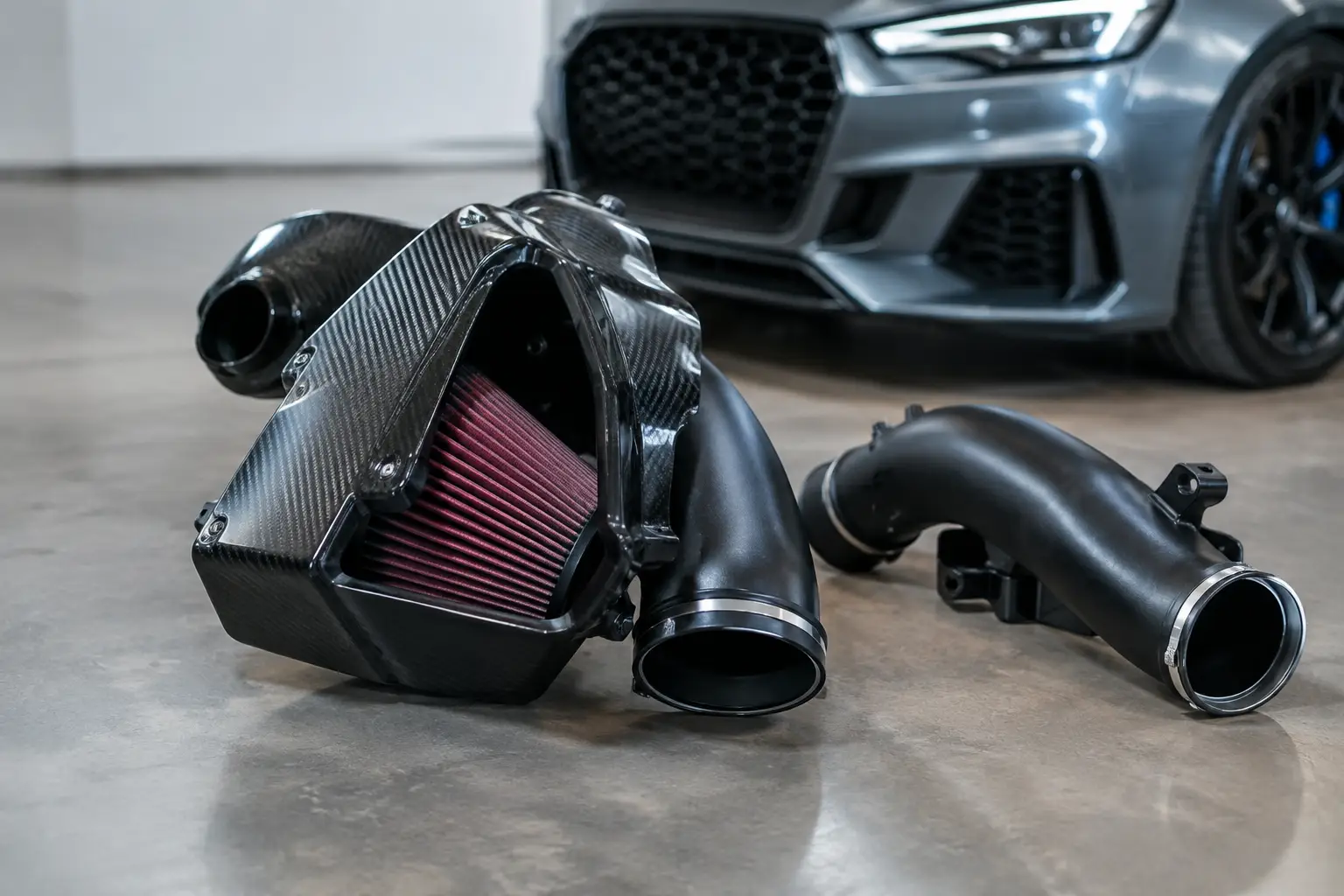
Cooling upgrades make the most sense when driven by evidence. If logs show elevated intake air temperatures, rising oil temperature, or repeated power reduction, address the relevant system with higher-capacity heat exchangers, upgraded cooling components, or improved airflow management. Intercooler and heat-exchanger selection should account for the exact G8X configuration and the vehicle’s existing hardware.
For many owners, stock power with tires, brakes, alignment, and cooling is the faster package. Once those systems are proven, a conservative tune paired with the right fueling and thermal support can be a worthwhile next step. The goal is repeatable output from lap one through the checkered flag, not a peak number that disappears when conditions get demanding.
Safety and Driver Development Belong in the Build
A track-focused M4 should be maintained like a performance machine, not a daily driver that occasionally sees an event. Inspect pads, rotors, wheel bearings, suspension fasteners, tires, and fluid levels before every weekend. Use a torque wrench on wheel bolts, and recheck them after the first session when appropriate.
As pace increases, safety equipment becomes more relevant. A properly mounted fixed-back seat, suitable harness solution, fire extinguisher, and approved rollover protection may be appropriate depending on the event rules and how the car is used. These components must work as a system. Improper harness angles or poorly planned mounting are not acceptable compromises.
Coaching and data review are also performance upgrades. A better line, cleaner brake release, and earlier throttle application can remove seconds without adding stress to the car. EAS Store supports enthusiasts building European performance platforms with parts chosen for the application, not just the catalog photo.
The best BMW M4 road course build feels calm at speed. It brakes the same at the end of the day as it did in the morning, uses its tires evenly, and tells the driver what the chassis is doing before the limit becomes a surprise. Build that foundation first, then let lap times determine what the car needs next.